Transition cow programs
Close-up and fresh cow diets built to reduce hypocalcemia, ketosis and displaced abomasum.
- Negative DCAD design and urine pH monitoring
- Fresh cow feeding and intake
- Body condition management
Science-based support for dairy herds: from the close-up cow to peak lactation, and from the lab report to the feed bunk.
High-producing dairy cows leave little room for error. Most problems I see in herds come from a gap between the ration on paper and what cows actually eat, or from the transition period, when most metabolic disease starts.
I combine laboratory analysis with on-farm checks such as particle size, urine pH and manure evaluation to find where that gap is and how to close it.
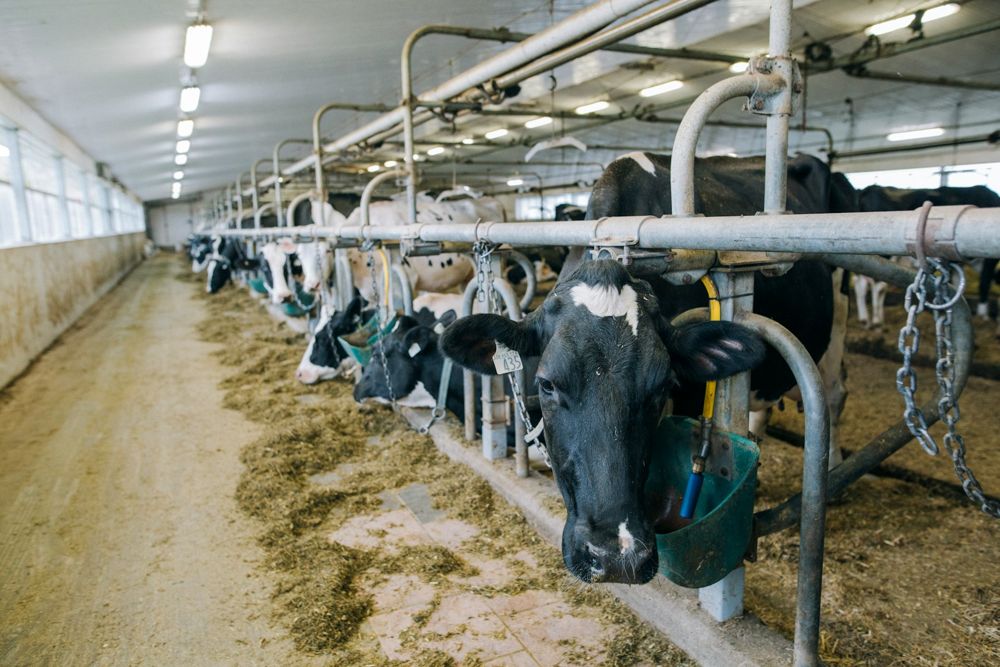
Close-up and fresh cow diets built to reduce hypocalcemia, ketosis and displaced abomasum.
Checking fiber, starch and physical form so that fermentation stays stable.
Improving milk fat, protein and feed efficiency with targeted nutrition.
Send a short description of your herd, production level and the problem you want to solve.
Working with beef cattle? See beef cattle nutrition →